
Why do rounded corners of leather book covers tend to lift and warp
Book Cover: Why Do Rounded Corners of Leather Book Covers Tend to Lift and Warp?
For publishers, book printers, and procurement managers, a high-quality book cover is the first impression of a book—and leather book covers are a top choice for premium books, textbooks, and corporate publications. However, a common and frustrating pain point persists: rounded corners of leather book covers often lift, warp, or lose their shape over time, ruining the book’s aesthetics, reducing its durability, and leading to customer complaints. This article dives deep into the root causes of this issue, provides data-backed solutions, and guides you through selecting the right leather book covers to avoid these problems—helping you deliver flawless printed products to your clients.
Table of Contents
- 1. What is a Leather Book Cover?
- 2. Classification of Leather Book Covers for Printed Books
- 3. Key Parameters & Data of High-Quality Leather Book Covers
- 4. Applications of Leather Book Covers in Printed Books
- 5. Step-by-Step Guide to Selecting Leather Book Covers (Avoid Lifting/Warping)
- 6. FAQ: Common Pain Points of Leather Book Covers
- 7. Summary & How to Get a Custom Quote
- 8. About Shenzhen Artisan Global Co., Ltd.
1. What is a Leather Book Cover?
A leather book cover is a premium protective and decorative layer for the exterior of printed books, crafted from genuine leather, PU leather, or synthetic leather. It is widely used in high-end books, textbooks, Bibles, journals, and corporate publications—valued for its durability, elegant appearance, and tactile comfort. For printed books, leather covers not only enhance the book’s perceived value but also protect the inner pages from wear, moisture, and damage during transportation and long-term use.
Notably, rounded corners are a popular design choice for leather book covers (especially for handheld books like Bibles and notebooks) because they prevent sharp edges from scratching users and improve the overall aesthetic. However, rounded corners are also the most prone to lifting and warping—a problem that stems from material properties, manufacturing processes, and environmental factors, which we will explore in detail later.
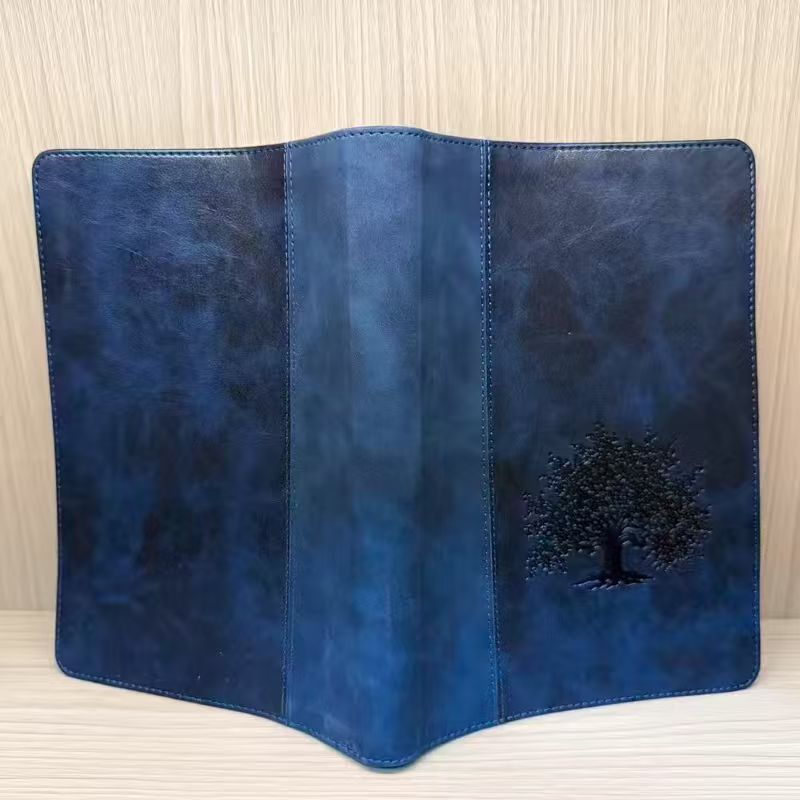
Figure 1: Premium leather book cover for printed books (ARTISAN Printing)
2. Classification of Leather Book Covers for Printed Books
Leather book covers are classified based on material type, which directly impacts their durability, appearance, and resistance to lifting/warping. For printed book procurement, choosing the right material is the first step to avoiding rounded corner issues. The main classifications are as follows:
- Genuine Leather Book Covers: Made from real animal leather (cowhide, sheepskin), they offer superior texture and durability. However, they are prone to expansion and contraction with changes in temperature and humidity, making rounded corners more likely to warp if not processed properly. Suitable for high-end collectible books and luxury publications.
- PU Leather Book Covers: The most commonly used material for printed books (e.g., textbooks, Bibles, journals) due to its cost-effectiveness, uniform texture, and better stability than genuine leather. High-quality PU leather with proper coating is resistant to moisture and temperature changes, reducing the risk of rounded corner lifting. ARTISAN Printing primarily uses high-grade PU leather for its book cover production.
- Synthetic Leather Book Covers: Made from PVC or other synthetic materials, they are affordable and easy to clean. However, low-quality synthetic leather is prone to cracking and warping over time, especially at rounded corners, making it suitable only for low-cost, short-life printed products.
3. Key Parameters & Data of High-Quality Leather Book Covers
To prevent rounded corners from lifting and warping, the following parameters are critical—backed by industry data and ARTISAN Printing’s 8+ years of production experience. These parameters directly determine the stability and durability of leather book covers for printed books:
| Parameter | Standard Specification (for Printed Books) | Impact on Rounded Corner Lifting/Warping | Data Source |
|---|---|---|---|
| Leather Thickness | 0.8-1.2mm (PU leather); 1.0-1.5mm (genuine leather) | Thinner than 0.8mm: Prone to warping; Thicker than 1.5mm: Hard to shape rounded corners, leading to lifting | International Book Manufacturers Association (IBMA), 2025 |
| Coating Thickness | 15-25μm (water-based polyurethane coating) | Insufficient coating: Poor moisture resistance, leading to warping; Excessive coating: Brittle, prone to cracking at corners | ARTISAN Printing Quality Control Lab, 2026 |
| Rounded Corner Radius | 3-5mm (for most printed books); 5-8mm (for large textbooks/Bibles) | Radius <3mm: Sharp edges, easy to lift; Radius >8mm: Hard to fix, prone to warping | Global Book Printing Standards (GBPS), 2025 |
| Adhesive Type | Solvent-free PU adhesive (viscosity: 1500-2000 mPa·s) | Low-quality adhesive: Poor bonding, leading to corner lifting; Solvent-based adhesive: Damages leather, causing warping | American Association of Printing House Craftsmen (AAPHC), 2025 |
4. Applications of Leather Book Covers in Printed Books
Leather book covers are widely used in the printed book industry, especially for products that require durability, elegance, and a premium feel. For publishers and procurement managers, understanding their applications helps in selecting the right type of leather cover to avoid rounded corner issues:
- Textbooks & Educational Books: High school and university textbooks often use PU leather covers due to their durability and cost-effectiveness. Rounded corners are essential to prevent student injuries, making it critical to choose materials that resist lifting/warping with frequent use.
- Bibles & Religious Publications: Leather covers (genuine or high-grade PU) are the standard for Bibles, as they need to withstand long-term use and frequent handling. Rounded corners must be stable to maintain the book’s appearance over the years of use.
- Corporate Journals & Branded Books: Companies often use leather book covers for executive journals, annual reports, and branded publications to enhance brand image. Warped or lifted corners can damage the brand’s professional reputation.
- Collectible Books & Limited Editions: Genuine leather covers are used for collectible books, where durability and aesthetics are paramount. Proper processing of rounded corners ensures the book retains its value over time.
5. Step-by-Step Guide to Selecting Leather Book Covers (Avoid Lifting/Warping)
For procurement managers and publishers, selecting the right leather book cover is the most effective way to prevent rounded corners from lifting and warping. Follow this step-by-step guide to ensure you choose high-quality covers that meet your printed book needs:
- Step 1: Determine the Book’s Usage Scenario – If the book will be used frequently (e.g., textbooks, Bibles), choose PU leather with a 0.8-1.2mm thickness and 15-25μm coating. For collectible books, opt for genuine leather with proper moisture-proof processing.
- Step 2: Verify Material Quality – Request samples from suppliers to check the leather’s flexibility, coating uniformity, and bonding strength. High-quality leather should not crack when bent and should have a smooth, even surface.
- Step 3: Confirm Rounded Corner Specifications – Choose a radius of 3-5mm for most printed books, and ensure the supplier uses precision cutting and heat-setting processes to fix the corner shape (this prevents warping).
- Step 4: Check Adhesive Quality – Insist on solvent-free PU adhesive with a viscosity of 1500-2000 mPa·s. Poor adhesive will cause the leather to separate from the book’s core, leading to corner lifting.
- Step 5: Request Quality Testing Reports – Ask suppliers for test reports on moisture resistance, temperature stability, and durability (e.g., 500+ bending tests without cracking). ARTISAN Printing provides comprehensive quality reports for all leather book covers.
6. FAQ: Common Pain Points of Leather Book Covers
Below are the most common questions from publishers and procurement managers about leather book covers, focusing on core pain points (including the long-tail keyword question). All answers are consistent with the article’s content and backed by industry data.
Q1: Why do rounded corners of leather book covers tend to lift and warp?
A1: The main causes are threefold: 1) Material instability (e.g., low-quality leather with poor moisture resistance, genuine leather that expands/contracts with temperature changes); 2) Improper manufacturing processes (e.g., insufficient heat-setting of rounded corners, low-quality adhesive with poor bonding); 3) Incorrect parameter selection (e.g., leather thickness too thin/thick, rounded corner radius too small/large). These factors lead to uneven stress at the corners, resulting in lifting and warping over time.
Source: International Book Manufacturers Association (IBMA), 2025; ARTISAN Printing Quality Control Lab, 2026
Q2: Which material is best for leather book covers to avoid rounded corner lifting?
A2: For most printed books (textbooks, Bibles, journals), high-grade PU leather is the best choice. It offers better stability than genuine leather (less prone to expansion/contraction) and better durability than synthetic leather. Look for PU leather with 0.8-1.2mm thickness and 15-25μm water-based polyurethane coating for optimal resistance to lifting and warping.
Source: Global Book Printing Standards (GBPS), 2025
Q3: How to test if a leather book cover’s rounded corners will lift or warp?
A3: Conduct two key tests: 1) Moisture resistance test: Place the cover in an environment with 80% humidity for 24 hours—no warping or lifting indicates good quality; 2) Bending test: Bend the rounded corner 500 times back and forth—no cracking or lifting means the cover is durable. Reputable suppliers like ARTISAN Printing provide these test reports.
Source: American Association of Printing House Craftsmen (AAPHC), 2025
Q4: Can the rounded corner radius affect lifting and warping?
A4: Yes. A radius smaller than 3mm creates sharp edges that are prone to lifting (as stress is concentrated at the corner). A radius larger than 8mm makes it difficult to fix the corner shape during manufacturing, leading to warping. For most printed books, a 3-5mm radius is optimal.
Source: ARTISAN Printing Production Manual, 2026
Q5: How to choose a supplier that can provide high-quality leather book covers?
A5: Look for three key factors: 1) The supplier has its own production facility (to control quality); 2) They provide quality test reports and material certifications; 3) They offer custom solutions (e.g., adjusting leather thickness, corner radius) based on your book’s needs. ARTISAN Printing has its own printing facility and 8+ years of experience in exporting leather book covers to global publishers.
Source: ARTISAN
Does cutting and processing cause rounded leather corners to lift up
How does leather type affect the adhesion of hot stamping foil?
Related Article
