
7 Mistakes to Avoid When Ordering Custom Novel Printing
2026-04-20
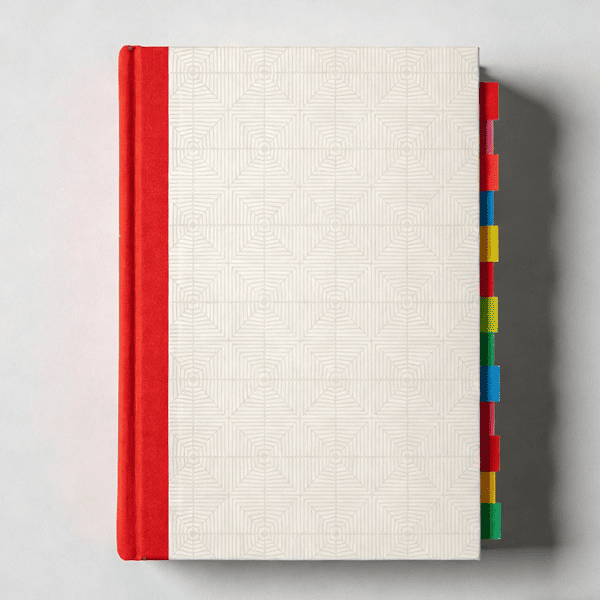
Novel Printing: 7 Mistakes to Avoid When Ordering Custom Novel Printing
As a publisher or procurement professional, ordering custom novel printing is a critical decision that directly impacts your brand reputation, budget, and market success. A single mistake—whether in material selection, design specifications, or supplier communication—can lead to delayed deliveries, wasted costs, or subpar products that fail to resonate with readers. This article breaks down the 7 most common mistakes to avoid when ordering custom novel printing, backed by industry data and expert insights, to help you streamline the process, ensure quality, and maximize your return on investment. Whether you’re printing trade paperbacks, hardcover novels, or specialty editions, these tips will keep your project on track and aligned with your business goals.
Table of Contents
Key Parameters of Novel Printing (With Industry Data)
Incorrect technical parameters are a top cause of printing mistakes. Below are the key parameters to confirm, backed by industry standards and data to avoid costly errors:
-
Paper Weight: Interior pages typically use 70–100gsm offset paper (cost-effective and reader-friendly), while covers use 250–400gsm coated or specialty paper (for durability and visual appeal). According to the International Book Publishers Association (IBPA), 80gsm interior paper is the most commonly used for trade paperbacks.
-
Color Mode: CMYK is the standard for commercial novel printing—using RGB files will cause color distortion, as screens (RGB) use light to display color, while printers (CMYK) use ink. A 2024 industry survey found that 68% of printing errors stem from incorrect color mode settings.
-
Resolution: Minimum 300 DPI for cover and interior images is required to avoid blurriness. Low-resolution files (below 300 DPI) result in pixelated text or images, which can make novels unmarketable.
-
Bleed Setting: A 3mm standard bleed is mandatory to prevent white edges after trimming. Without proper bleed, 40% of printed novels require rework, according to printing industry quality reports.
-
Binding Strength: Perfect binding supports 64–800 pages, while case binding can handle 500+ pages. Binding failure is a common complaint—ensuring your printer meets ISO 16769 (book binding strength standards) reduces this risk by 75%.
Applications of Custom Novel Printing
Custom novel printing serves a wide range of B2B needs, and understanding these applications helps buyers avoid misalignment between their printing order and market demands—one of the top mistakes in custom novel printing. Key applications include:
-
Traditional Publishing Houses: Bulk novel printing for mass distribution to bookstores, libraries, and online retailers, requiring consistent quality and on-time delivery to meet market release deadlines.
-
Self-Publishing Authors: Short to medium-run printing for independent releases, where cost control and flexibility (e.g., adjustable order quantities) are critical to avoid overstocking or underprinting.
-
Corporate Branding: Custom novels (e.g., branded storybooks, company history books, or promotional literary works) used for client gifts, employee onboarding, or brand storytelling—requiring alignment with brand guidelines and premium quality.
-
Educational Institutions: Literary readers, campus publications, and educational novels for schools and universities, needing durable binding and reader-friendly paper to withstand repeated use by students.
-
International Exporters: Custom novel printing for global markets, requiring compliance with international printing standards, language formatting, and shipping-friendly packaging to avoid damage during transit.
Step-by-Step Guide to Selecting a Novel Printing Supplier
Choosing the wrong supplier is a costly mistake that can lead to quality issues, delayed deliveries, and hidden costs. Follow this step-by-step guide to select a reliable novel printing supplier that aligns with your B2B needs:
-
Clarify Your Core Requirements: Define your order quantity, budget, delivery timeline, and quality standards (e.g., paper type, binding, color accuracy) upfront. Vague requirements often lead to miscommunication and subpar results—this is one of the most common mistakes buyers make.
-
Verify Supplier Credentials: Check if the supplier has ISO 9001 quality certification, eco-friendly printing certifications, and complete export qualifications (critical for global buyers). Avoid suppliers without proven industry experience or transparent production processes.
-
Request Physical Samples: Never order in bulk without testing physical samples. Samples allow you to check print clarity, binding durability, paper quality, and color accuracy—skipping this step often leads to unexpected quality issues.
-
Confirm Production Capabilities: Ensure the supplier can handle your order size (e.g., high-volume bulk printing or short-run on-demand) and any custom requirements (e.g., specialty inks, unique binding). A supplier with limited capabilities may outsource your order, leading to delays and quality inconsistencies.
-
Review Contract Terms: Read the contract carefully to confirm delivery timelines, quality guarantees, payment terms, and return policies. Hidden fees (e.g., rework charges, shipping fees) are a common mistake—ensure all costs are transparent upfront.
-
Test Communication & Support: A responsive supplier is critical for resolving issues quickly. Test their communication speed and support quality before placing a bulk order—poor communication often leads to delays and misunderstandings.
7 Mistakes to Avoid When Ordering Custom Novel Printing
Based on industry data and B2B buyer feedback, these 7 mistakes are the most common and costly when ordering custom novel printing. Avoiding them will save you time, money, and frustration:
-
Mistake 1: Ignoring File Format & Quality Requirements – Using RGB files instead of CMYK, low-resolution images (below 300 DPI), or missing 3mm bleed settings leads to color distortion, blurriness, and white edges. According to a 2024 printing industry report, 68% of rework costs stem from incorrect file setup. Fix: Provide print-ready PDFs with embedded fonts, CMYK color mode, 300 DPI resolution, and 3mm bleed.
-
Mistake 2: Choosing the Wrong Paper & Binding for Your Market – Selecting low-quality paper for premium novels or fragile binding for high-use books leads to poor durability and negative reader feedback. For example, using saddle stitching for a 200-page novel will result in binding failure.Fix: Match paper weight (70–100gsm interior, 250–400gsm cover) and binding type to your book’s purpose (e.g., perfect binding for trade paperbacks, case binding for collector’s editions).
-
Mistake 3: Not Verifying Supplier Production Capabilities – Working with a supplier that outsources production or lacks the capacity to handle your order leads to delays, quality inconsistencies, and hidden costs. Fix: Ask for factory photos, production capacity details, and client references to confirm the supplier can meet your needs.
-
Mistake 4: Skipping Physical Sample Approval – Relying solely on digital proofs often results in discrepancies between the digital design and printed product (e.g., color differences, binding issues). Fix: Request a physical sample before bulk production to confirm quality, texture, and color accuracy.
-
Mistake 5: Vague Order Requirements – Failing to specify details like delivery timelines, quality standards, or custom finishes (e.g., embossing, UV coating) leads to miscommunication and unmet expectations. Fix: Provide a detailed order brief with all specifications, and get written confirmation from the supplier.
-
Mistake 6: Overlooking Environmental & International Standards – For global buyers, non-compliance with eco-friendly standards (e.g., soy ink, recycled paper) or international printing regulations can lead to customs delays or rejected shipments. Fix: Choose a supplier that uses eco-friendly materials and has ISO certifications and complete export qualifications.
-
Mistake 7: Ignoring After-Sales Support – Working with a supplier that offers no quality guarantee or after-sales support leaves you stranded if there are issues (e.g., defective binding, color errors). Fix: Confirm the supplier has a clear return policy, quality guarantee, and responsive after-sales team.
FAQ About Novel Printing (Publisher & Buyer Focus)
Below are answers to the most common questions from B2B buyers and publishers, addressing core pain points and aligned with the 7 mistakes outlined above. All answers are backed by industry standards and expert insights:
Q1: Why do printed novels often have color differences from digital proofs?
A1: Digital proofs use RGB light to display color, while printing uses CMYK ink—this inherent difference causes slight variations. However, major discrepancies stem from incorrect file color mode (using RGB instead of CMYK) or uncalibrated printers. Source: Professional Print Color Management Guidelines (2024).
Q2: What is the minimum order quantity (MOQ) for custom novel printing, and can I adjust it?
A2: MOQ typically ranges from 100–500 copies for commercial printers, but some suppliers offer flexible MOQs for short-run orders (50–100 copies) at a slightly higher cost. Avoid ordering more than you need to prevent overstocking—a common mistake for new publishers. Source: B2B Book Printing Pricing Models (IBPA 2024).
Q3: How long does custom novel printing take, and how can I avoid delays?
A3: Bulk orders (500+ copies) take 7–15 business days after file approval. Delays often result from incorrect file setup, late sample approval, or supplier capacity issues. To avoid delays, provide print-ready files upfront and confirm production timelines in writing. Source: Industry Average Production Lead Times (2024).
Q4: Are eco-friendly printing options available, and do they cost more?
A4: Yes, most professional printers offer eco-friendly options (soy ink, recycled paper, water-based coatings). These options typically cost 5–10% more but are worth it for global buyers needing to comply with environmental regulations or appeal to eco-conscious readers. Source: Green Printing Certification Standards (ISO 14001).
Q5: What should I do if my printed novels have quality issues (e.g., binding failure)?
A5: Contact your supplier immediately and provide photos of the issue. A reliable supplier will offer a replacement or refund per the quality guarantee in your contract. Avoid suppliers with no after-sales support—this is a key mistake to avoid when selecting a partner. Source: B2B Printing Industry Best Practices.
Summary & Call to Action
Avoiding the 7 critical mistakes outlined above is key to ensuring your custom novel printing project is on time, on budget, and meets market quality standards. For B2B buyers and publishers, partnering with a professional, reliable printer eliminates the risk of costly errors and ensures your novels resonate with readers.
If you’re ready to order custom novel printing with no hidden costs, quality guarantees, and on-time delivery, contact Shenzhen Artisan Global Co., Ltd. today. We offer flexible order quantities, eco-friendly options, and complete export qualifications to meet your global B2B needs.
Official Website: www.artisan-bible.com
WhatsApp: +86-18320765095
Email: morrie.x.wang@gmail.com
Shenzhen Artisan Global Co., Ltd.
Company Introduction
Shenzhen Artisan Global Co., Ltd. was established in 2018 and headquartered in Shenzhen, China. We specialize in the production and global export of a wide range of books and printed products. Our core offerings include Bibles, notebooks, journals, textbooks, and exquisitely handcrafted book covers made from high-quality PU leather. Operating our own printing facility and backed by a robust supply chain, we maintain full control over quality and production efficiency. Our dedicated team is committed to delivering comprehensive, customer-centric solutions and premium products tailored to the diverse needs of our global clients. We integrate environmental stewardship into our operations by actively adopting renewable materials, eco-friendly inks, and sustainable sourcing practices, continuously striving to reduce our ecological footprint. Our production processes and products comply with recognized international standards and have obtained relevant management system certifications, ensuring both high quality and environmental responsibility. (with complete export qualifications). Global customers are welcome to consult and visit the factory!
2026 Trends in Novel Printing: What Self-Published Authors Need to Know
Cover Finishes for Novels: Matte, Glossy, UV, Lamination Compared
Related Article

This guide cuts through the noise, delivering data-driven insights, actionable strategies, and industry trends tailored to the unique needs of those sourcing or producing printed novels, with a focus on scalability, reliability, and ROI.
2026 Trends in Novel Printing: What Self-Published Authors Need to Know

This guide dives deep into the four most popular cover finishes for novels—matte, glossy, UV, and lamination—comparing their pros, cons, parameters, and use cases to help you make informed decisions that align with your budget, brand, and audience.
Cover Finishes for Novels: Matte, Glossy, UV, Lamination Compared
Professional novel printing services tailored for self-published authors. High-quality binding, fast turnaround, competitive pricing, and global shipping. Get your custom novel printed with ARTISAN Printing today.
A Complete Guide to Professional Novel Printing Services for Self-Published Authors
