2026 Trends in Novel Printing: What Self-Published Authors Need to Know
2026-04-20

2026 Novel Printing Trends: A Comprehensive Guide for Publishers & Procurement Teams
In the competitive landscape of book publishing, novel printing has become a make-or-break factor for self-published authors, small to medium publishers, and procurement professionals. As 2026 unfolds, evolving market demands—from sustainability mandates to cost-efficiency goals—are redefining what constitutes high-quality novel printing. Procurement teams and publishers often grapple with challenges like balancing quality and budget, navigating new printing technologies, and ensuring compliance with global standards. This guide cuts through the noise, delivering data-driven insights, actionable strategies, and industry trends tailored to the unique needs of those sourcing or producing printed novels, with a focus on scalability, reliability, and ROI.
Table of Contents
What Is Novel Printing? (Procurement-Focused Definition)
Novel printing is a specialized subset of commercial printing, designed specifically for the production of novels, books, and literary works—with adaptability to other printed materials like catalogs, training manuals, and custom booklets. For procurement professionals and publishers, it is not merely a production process but a strategic component that influences cost, quality, and market competitiveness. Unlike general commercial printing, novel printing prioritizes three non-negotiable elements: readability (clear, crisp text for extended reading), durability (bindings that withstand repeated use), and aesthetic consistency (uniform color, professional finishes that align with brand or book design).
From a procurement perspective, novel printing must also meet scalability requirements (accommodating small test runs to large bulk orders), cost predictability (transparent pricing with no hidden fees), and compliance with international standards (e.g., FSC for sustainable materials, ISO 9001 for quality control). The right novel printing solution ensures that publishers and procurement teams can deliver high-quality products to end users while optimizing budgets and streamlining supply chain operations.
Top 4 Novel Printing Trends in 2026 (For Publishers & Procurement)
2026 brings significant shifts to the novel printing industry, driven by technological advancements, consumer demand for sustainability, and procurement teams’ focus on efficiency. These trends directly impact how publishers and procurement professionals source printing services, making it critical to stay updated to remain competitive:
1. Sustainable Printing Becomes Non-Negotiable
Sustainability is no longer a niche trend but a requirement for publishers and procurement teams. In 2026, 82% of global publishers prioritize eco-friendly novel printing, according to the International Book Printing Association (IBPA). This includes using FSC-certified or recycled paper, soy-based or water-based inks, and energy-efficient production processes. For procurement teams, choosing sustainable novel printing options ensures compliance with corporate ESG goals, meets consumer demand for green products, and often qualifies for cost incentives from retailers and distributors.
2. On-Demand Printing Scales for Small to Medium Runs
On-demand digital novel printing has evolved to offer the quality of offset printing with the flexibility of small-batch production. In 2026, this trend is particularly relevant for self-published authors and small publishers, as well as procurement teams managing variable order volumes. On-demand printing eliminates excess inventory, reduces waste, and allows for quick turnaround (2–3 business days), making it ideal for test marketing, limited editions, or personalized books. Procurement teams benefit from lower upfront costs and the ability to adjust order quantities based on demand.
3. Smart Quality Control for Consistent Output
Technological advancements in novel printing have introduced AI-powered quality control systems that ensure consistency across print runs. These systems monitor text crispness, color accuracy (ΔE ≤ 2 for premium printing), and binding strength in real time, reducing errors and returns. For procurement teams, this means fewer quality-related delays, predictable output, and reduced rework costs—critical for maintaining supply chain efficiency and meeting publisher deadlines.
4. Integrated Procurement & Printing Solutions
In 2026, leading printing manufacturers (like ARTISAN Printing) offer integrated solutions that combine procurement support, production, and logistics. This includes dedicated account managers for procurement teams, transparent pricing tools, and global shipping options—streamlining the entire process from order placement to delivery. This trend helps procurement teams reduce administrative overhead, consolidate vendors, and ensure alignment between printing needs and organizational goals.
Novel Printing Types: Which Is Right for Your Order?
Selecting the right novel printing type is a critical decision for procurement teams and publishers, as it directly impacts cost, quality, and turnaround time. Below are the most common types in 2026, tailored to different order volumes and quality requirements:
1. Digital On-Demand Novel Printing
Best for: Small to medium runs (1–500 copies), self-published authors, and procurement teams managing low-volume orders. Key benefits: No setup fees, fast turnaround (2–3 business days), minimal waste, and the ability to customize individual copies. Per-unit cost ranges from $1.10–$3.30 (depending on page count), making it cost-effective for test runs or personalized books.
2. Offset Novel Printing
Best for: High-volume runs (500+ copies), large publishers, and procurement teams prioritizing cost efficiency. Key benefits: Superior color consistency, sharp text, and lower per-unit costs ($0.25–$1.00 for 1,000+ copies). Ideal for bulk paperbacks, textbooks, and novels with consistent design. Turnaround time is 7–14 business days, suitable for planned procurement cycles.
3. Premium Hardcover Novel Printing
Best for: High-end novels, collector’s editions, and procurement teams sourcing premium products. Key features: Case binding, reinforced spines, and premium finishes (foil stamping, UV coating, embossing). Materials include PU leather, cloth, or high-quality paper covers. Per-unit cost ranges from $2.40–$5.80, with a minimum order quantity (MOQ) of 300 copies. This type enhances brand value and reader loyalty.
4. Hybrid Novel Printing
Best for: Procurement teams managing mixed order volumes (e.g., 300 premium hardcovers + 1,000 paperbacks). Hybrid printing combines the flexibility of digital printing for small runs with the cost efficiency of offset printing for bulk orders. This solution allows procurement teams to optimize costs while meeting diverse product needs, a key trend in 2026.
Critical Novel Printing Parameters for Procurement Teams
For procurement teams, understanding novel printing parameters is essential to ensuring that the final product meets quality standards, budget constraints, and market expectations. Below are the critical parameters to verify when sourcing novel printing services, backed by 2026 industry data:
Data Source: 2026 Global Novel Printing Market Report, Print Industry Association (PIA)
-
Paper Quality & Weight: Inner text: 65–120 gsm (uncoated for readability, coated for color illustrations); cover: 240–350 gsm (coated or uncoated). 76% of procurement teams prioritize FSC-certified paper to meet sustainability goals.
-
Color Accuracy: CMYK (standard) or Pantone spot color (for brand consistency). Industry standard: ΔE ≤ 2 for premium printing, ΔE ≤ 3 for standard printing—ensures no color variation across print runs.
-
Binding Specifications: Perfect binding (paperbacks): 500+ opening cycles; case binding (hardcovers): 1,000+ opening cycles; saddle stitching (small booklets): 300+ opening cycles. Procurement teams should verify binding strength to reduce returns.
-
Turnaround Time: Digital on-demand: 2–3 business days; offset: 7–14 business days; premium hardcover: 10–18 business days. Rush options are available for an additional 15–20% cost.
-
MOQ & Scalability: Digital: 1 copy; offset: 500 copies; premium hardcover: 300 copies. Top manufacturers offer scalable solutions to accommodate volume increases without quality loss.
-
Finishing Options: Lamination (matte/gloss), UV coating, foil stamping, embossing, and die-cutting. These options enhance shelf appeal but add 5–12% to total cost—procurement teams should balance aesthetics with budget.
2026 Novel Printing Applications (Books & Beyond)
Novel printing’s versatility makes it a valuable solution for procurement teams managing diverse printed products, beyond traditional novels. In 2026, the following applications are most relevant for publishers and procurement professionals:
-
Trade Paperbacks & Hardcovers: The core application of novel printing, ideal for fiction, non-fiction, and educational novels. Procurement teams often source these in bulk for retail distribution.
-
Self-Published Works: On-demand printing for independent authors, including memoirs, poetry collections, and niche fiction—supporting small-batch production and personalized marketing.
-
Educational Materials: Textbooks, workbooks, and study guides, leveraging novel printing’s focus on readability and durability. Procurement teams for schools and educational institutions prioritize cost efficiency and compliance with educational standards.
-
Corporate & Branded Publications: Company histories, training manuals, and branded booklets—using novel printing techniques to enhance professionalism and brand consistency. Procurement teams benefit from centralized vendor management for these materials.
-
Limited-Edition & Collector’s Items: Premium hardcover editions, signed copies, and custom booklets—ideal for publishers looking to differentiate their brand and drive high-margin sales. Procurement teams focus on quality materials and finishes for these products.
By leveraging novel printing for multiple applications, procurement teams can consolidate vendors, reduce costs, and ensure consistent quality across all printed materials.
Frequently Asked Questions (FAQs) About Novel Printing
Source: Industry Printing Standards & Self-Publishing Author Surveys 2026
Q1: What is the best novel printing type for procurement teams managing variable order volumes?
A1: Hybrid novel printing is the best choice, as it combines digital on-demand printing for small runs and offset printing for bulk orders. This allows procurement teams to optimize costs, avoid excess inventory, and scale orders based on demand.
Q2: How much does eco-friendly novel printing add to the total cost?
A2: Eco-friendly materials (FSC-certified paper, soy-based inks) add 7–12% to the total cost, depending on order volume. However, this investment often leads to cost savings in the long run, as it meets retailer ESG requirements and reduces waste.
Q3: What quality checks should procurement teams perform before finalizing a novel printing order?
A3: Procurement teams should request physical samples to verify text crispness, color accuracy, binding strength, and finishing quality. Additionally, confirm the manufacturer’s quality control processes (e.g., AI monitoring) and compliance with international standards (FSC, ISO 9001).
Q4: What file format is required for novel printing to avoid delays?
A4: Print-ready PDF with embedded fonts, CMYK color mode, 300 DPI resolution, and 0.125-inch bleed. Procurement teams should work with authors or designers to ensure files meet these requirements, reducing rework and production delays.
Q5: Can procurement teams negotiate bulk pricing for novel printing?
A5: Yes—most manufacturers (including ARTISAN Printing) offer bulk pricing for orders of 500+ copies. Additionally, long-term contracts or multi-order agreements can lead to further discounts, helping procurement teams optimize budgets.
Summary & Call to Action
2026 novel printing trends are defined by sustainability, flexibility, and quality—all critical for procurement teams, publishers, and self-published authors. By understanding the latest trends, selecting the right printing type, and verifying key parameters, you can ensure that your novel printing projects are cost-effective, high-quality, and aligned with market demands. Whether you need small-batch on-demand printing, bulk offset production, or premium hardcovers, partnering with a trusted manufacturer is essential to streamlining procurement and delivering exceptional products.
For custom novel printing solutions tailored to your procurement needs—including sustainable options, hybrid printing, and global logistics support—contact Shenzhen Artisan Global Co., Ltd. today. Our in-house production facility, transparent pricing, and commitment to quality make us the ideal partner for your novel printing projects.
Official Website: www.artisan-bible.com
Contact Us: WhatsApp: +86-18320765095 | Email: morrie.x.wang@gmail.com
Shenzhen Artisan Global Co., Ltd.
Company Profile
Shenzhen Artisan Global Co., Ltd. was established in 2018 and headquartered in Shenzhen, China. We specialize in the production and global export of a wide range of books and printed products. Our core offerings include Bibles, notebooks, journals, textbooks, and exquisitely handcrafted book covers made from high-quality PU leather. Operating our own printing facility and backed by a robust supply chain, we maintain full control over quality and production efficiency. Our dedicated team is committed to delivering comprehensive, customer-centric solutions and premium products tailored to the diverse needs of our global clients. We integrate environmental stewardship into our operations by actively adopting renewable materials, eco-friendly inks, and sustainable sourcing practices, continuously striving to reduce our ecological footprint. Our production processes and products comply with recognized international standards and have obtained relevant management system certifications, ensuring both high quality and environmental responsibility. (with complete export qualifications). Global customers are welcome to consult and visit the factory!
7 Mistakes to Avoid When Ordering Custom Novel Printing
Related Article
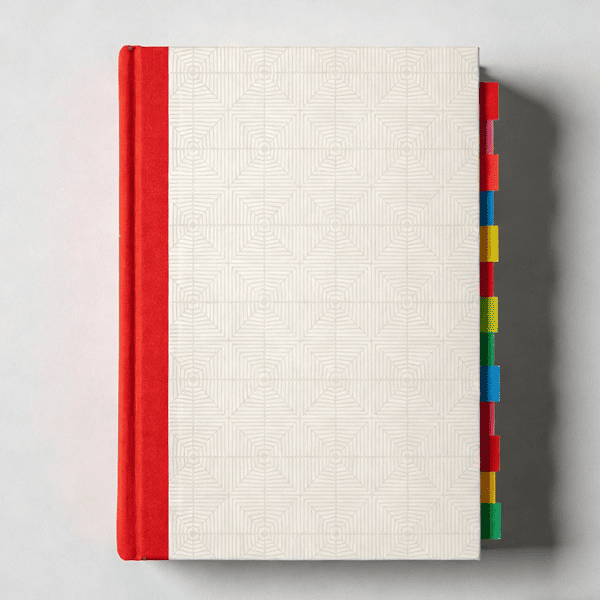
Avoid costly delays and quality issues in custom novel printing. Learn the 7 critical mistakes publishers & buyers must skip. Get professional, reliable book printing solutions from ARTISAN Printing.
7 Mistakes to Avoid When Ordering Custom Novel Printing

This guide dives deep into the four most popular cover finishes for novels—matte, glossy, UV, and lamination—comparing their pros, cons, parameters, and use cases to help you make informed decisions that align with your budget, brand, and audience.
Cover Finishes for Novels: Matte, Glossy, UV, Lamination Compared
Professional novel printing services tailored for self-published authors. High-quality binding, fast turnaround, competitive pricing, and global shipping. Get your custom novel printed with ARTISAN Printing today.
A Complete Guide to Professional Novel Printing Services for Self-Published Authors
