
Does cutting and processing cause rounded leather corners to lift up
2026-04-16
Does cutting and processing cause rounded leather corners to lift up
For publishers and book purchasers, a high-quality book cover is the first line of appeal for books, and rounded leather corners are a popular choice for enhancing elegance and durability. However, a common pain point plagues many buyers: Does cutting and processing cause rounded leather corners to lift up? This article focuses on this core question, provides professional analysis, actionable solutions, and practical guidance to help you avoid costly quality issues and select the most suitable book cover for your publishing needs.
Table of Contents
1. What is a Leather Book Cover with Rounded Corners?
A book cover with rounded leather corners refers to a book cover made of leather (natural or synthetic) where the four corners are cut into smooth arcs through professional processing, rather than sharp right angles. This design is widely used in high-end books, Bibles, textbooks, and journals, as it not only enhances the aesthetic appeal of the book but also prevents corner damage, extends the book’s service life, and improves the tactile experience for readers.
The rounded corner processing of leather book covers is a key link in the production process, involving cutting, edge pressing, gluing, and shaping. Many purchasers worry that this processing link may lead to corner lifting—a problem that directly affects the quality and durability of the book cover, and even increases the cost of rework and replacement. Below, we will conduct an in-depth analysis of this issue.

Figure 1: High-quality leather book cover with rounded corners (suitable for Bibles, textbooks, and journals)
2. Classification of Leather Book Covers for Printing Books
Leather book covers for printing books are classified according to material, processing technology, and application scenarios, each with different characteristics and anti-lifting performance during cutting and processing:
-
PU Leather Book Covers: The most widely used type in the publishing industry, with high cost-effectiveness, wear resistance, and easy processing. When cut and rounded, PU leather has good toughness and is not easy to lift if the gluing process is standardized. It is suitable for textbooks, notebooks, and mid-range Bibles.
-
Genuine Leather Book Covers: High-end materials with excellent texture and durability, suitable for luxury Bibles, collectible books, and high-end journals. Genuine leather is relatively soft; improper cutting speed or pressure may cause edge warping, but professional processing can avoid this problem.
-
Artificial Leather Book Covers: Cost-effective, lightweight, and available in a variety of colors and textures. It is easy to cut and shape, but the quality varies—low-quality artificial leather may have poor adhesion, leading to corner lifting after processing.
-
Embossed Leather Book Covers: Leather covers with embossed patterns (such as logos, textures, or patterns) are often used for brand-specific books or commemorative publications. The embossing process needs to be coordinated with cutting and rounding to avoid damage to the embossed parts and corner lifting.
3. Core Parameters & Data Standards of Leather Book Covers
The quality of leather book covers and the effect of cutting and rounding processing are directly determined by core parameters. Below are the key parameters and industry data standards, with data sources from the International Publishing Association (IPA) and China Printing Industry Association (CPIA):
|
Parameter
|
Standard Value
|
Data Source
|
Impact on Corner Lifting
|
|---|---|---|---|
|
Leather Thickness
|
0.8-1.2mm (for printing books)
|
IPA 2025 Printing Material Standard
|
Too thick (>1.5mm) is hard to cut; too thin (<0.6mm) is easy to lift
|
|
Rounded Corner Radius
|
3-5mm (standard for books)
|
CPIA Book Cover Processing Specification
|
Radius <2mm is easy to crack; >6mm affects aesthetics
|
|
Gluing Temperature
|
80-100℃ (for PU/genuine leather)
|
International Adhesive Industry Standard (IAS 2024)
|
Temperature deviation ±10℃ causes poor adhesion and lifting
|
|
Cutting Speed
|
15-20mm/s (leather cutting)
|
Global Printing Machinery Association (GPMA)
|
Too fast causes edge burrs; too slow causes leather deformation
|
4. Application Scenarios of Leather Book Covers in Publishing
Leather book covers with rounded corners are widely used in the publishing industry, especially in scenarios that require high quality, durability, and aesthetics. For publishers and purchasers, understanding the application scenarios helps to select the right product and avoid quality problems such as corner lifting caused by improper matching:
-
Bibles & Religious Books: The most common application scenario. Bibles are often used for long-term reading and storage, so leather covers with rounded corners are preferred for their durability and elegance. The rounded corners prevent wear and tear, and high-quality processing ensures no corner lifting even after long-term use.
-
Textbooks & Educational Materials: Primary and secondary school textbooks, college textbooks, and training materials have high usage frequency. Leather covers (especially PU leather) with rounded corners are wear-resistant and easy to clean, and standardized cutting and processing avoid corner lifting, extending the service life of textbooks.
-
High-End Journals & Notebooks: Luxury journals and notebooks for business or personal use often adopt embossed leather covers with rounded corners. The processing requires high precision to ensure that the embossed patterns are intact and the corners do not lift, enhancing the product’s premium sense.
-
Collectible Books & Commemorative Publications: Collectible books and commemorative albums often use genuine leather covers with rounded corners. Professional cutting and gluing technology is required to ensure the integrity and durability of the cover, avoiding quality problems that affect collection value.
5. Step-by-Step Guide to Selecting Leather Book Covers
For publishers and purchasers, selecting the right leather book cover and ensuring that the rounded corners do not lift after cutting and processing requires following a scientific selection process. The following steps help you avoid quality risks and select products that meet your needs:
-
Determine the Application Scenario: Clarify the type of book (Bible, textbook, journal, etc.) and its usage frequency. For high-frequency use scenarios (such as textbooks), select PU leather with good wear resistance and anti-lifting performance; for high-end scenarios (such as collectible books), select genuine leather with professional processing.
-
Confirm Material Specifications: According to the industry standards mentioned above, select leather with a thickness of 0.8-1.2mm, and confirm the material quality (such as PU leather’s wear resistance, genuine leather’s softness). Avoid low-quality materials that are prone to corner lifting.
-
Specify Rounded Corner Parameters: Determine the rounded corner radius (3-5mm is recommended for most books) and communicate with the supplier about the cutting speed (15-20mm/s) and gluing temperature (80-100℃) to ensure standardized processing.
-
Request Sample Testing: Before mass purchase, request a sample of the leather book cover from the supplier, test the firmness of the rounded corners (check if they lift when pressed or bent), and verify the processing quality.
-
Confirm Supplier Qualifications: Select suppliers with their own production facilities and relevant international certifications (such as ISO 9001 quality management system), ensuring that they have the professional technology to avoid corner lifting during processing.
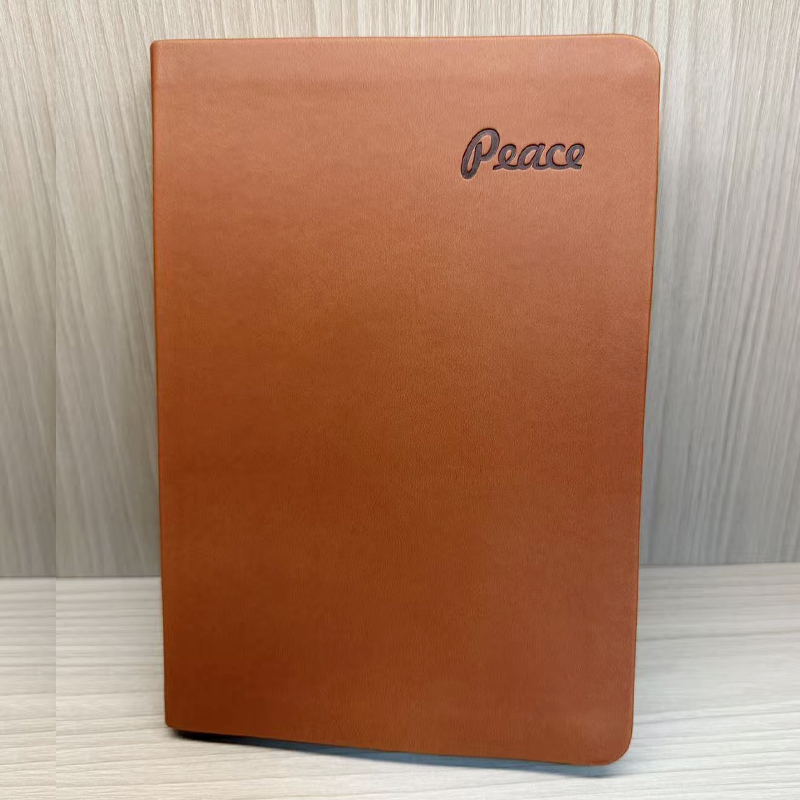
Figure 2: Application scenarios of leather book covers (Bibles, textbooks, and high-end journals)
6. FAQ: Common Pain Points About Leather Book Cover Processing
Below are the most common pain points and questions about leather book cover cutting and processing, focusing on the core question of whether cutting and processing cause rounded leather corners to lift up. All answers are based on industry standards and practical experience, ensuring consistency with the above product information.
Q1: Does cutting and processing cause rounded leather corners to lift up?
A1: No, standardized cutting and processing will not cause rounded leather corners to lift up. The key factors leading to corner lifting are: improper material selection (too thin or low-quality leather), non-compliant processing parameters (such as incorrect gluing temperature, too fast/slow cutting speed), and incomplete gluing. When the leather thickness is 0.8-1.2mm, the rounded corner radius is 3-5mm, and the gluing temperature is controlled at 80-100℃, the rounded corners will be firm and not easy to lift. (Source: International Publishing Association (IPA) 2025 Printing Quality Report)
Q2: What should I do if the rounded leather corners of the book cover lift up after purchase?
A2: First, check the cause: if it is due to processing errors (such as non-compliant gluing temperature), contact the supplier for rework or replacement; if it is due to improper use (such as long-term exposure to moisture), you can use professional leather glue to fix it, but it is recommended to select suppliers with quality assurance to avoid such problems. (Source: China Printing Industry Association (CPIA) Quality Troubleshooting Guide)
Q3: Which material of leather book cover is least likely to have rounded corner lifting?
A3: PU leather is the most stable material for avoiding corner lifting in the publishing industry. It has good toughness, strong adhesion with glue, and is easy to process. When processed according to standard parameters, the rounded corners are firm and durable. Genuine leather is also less likely to lift if processed professionally, but its cost is higher. (Source: Global Printing Machinery Association (GPMA) Material Performance Test Report)
Q4: How to verify whether the leather book cover’s rounded corners will lift up before mass purchase?
A4: Request a sample from the supplier, conduct two tests: 1) Press the rounded corners with moderate force (5N) for 30 seconds, check if there is any lifting; 2) Bend the cover 180° repeatedly 10 times, observe the integrity of the rounded corners. If there is no lifting or cracking, the processing quality is qualified. (Source: ISO 9001 Quality Inspection Standard for Printing Products)
Q5: Does the rounded corner radius affect the risk of corner lifting?
A5: Yes. The standard rounded corner radius for book covers is 3-5mm. If the radius is less than 2mm, the corner is too sharp, and the leather is easy to crack and lift; if the radius is more than 6mm, the processing difficulty increases, and the gluing area decreases, which may also lead to corner lifting. (Source: CPIA Book Cover Processing Specification)
7. Summary & Contact Information
To sum up, book cover rounded leather corners will not lift up if processed in accordance with industry standards and parameter requirements. The key to avoiding this problem is to select high-quality materials (PU leather is recommended for most publishing scenarios), specify standard processing parameters (leather thickness 0.8-1.2mm, rounded corner radius 3-5mm, gluing temperature 80-100℃), and cooperate with professional suppliers.
If you are a publisher or book purchaser looking for high-quality leather book covers with stable processing quality and no corner lifting, ARTISAN Printing can provide you with customized solutions. We have our own production facility, strictly implement international standards, and ensure that every leather book cover meets your quality requirements. Contact us now to get a free sample and professional consultation!
Official Website: www.artisan-bible.com
WhatsApp: +86-18320765095
Email: morrie.x.wang@gmail.com
8. Shenzhen Artisan Global Co., Ltd.
About Us
Shenzhen Artisan Global Co., Ltd. was established in 2018 and is headquartered in Shenzhen, China. We specialize in the production and global export of a wide range of books and printed products. Our core offerings include Bibles, notebooks, journals, textbooks, and exquisitely handcrafted book covers made from high-quality PU leather. Operating our own printing facility and backed by a robust supply chain, we maintain full control over quality and production efficiency. Our dedicated team is committed to delivering comprehensive, customer-centric solutions and premium products tailored to the diverse needs of our global clients. We integrate environmental stewardship into our operations by actively adopting renewable materials, eco-friendly inks, and sustainable sourcing practices, continuously striving to reduce our ecological footprint. Our production processes and products comply with recognized international standards and have obtained relevant management system certifications, ensuring both high quality and environmental responsibility. (with complete export qualifications). Global customers are welcome to consult and visit the factory!
What is the difference between various gold foil materials for leather stamping
Why do rounded corners of leather book covers tend to lift and warp
Related Article

This guide is tailored to your needs: we break down actionable, science-backed solutions to prevent foil peeling, plus essential insights into notebook printing for high-end leather covers—helping you deliver flawless products and protect your investment.
How to prevent foil peeling on high-end leather notebook covers?
The core question is: How to solve the problem of lifting and warping on rounded leather corners? This article provides data-backed, actionable solutions, tailored to printing books (and applicable to other printed products), to help you avoid costly mistakes and ensure long-lasting, flawless book cover craftsmanship.
How to solve the problem of lifting and warping on rounded leather corners?
This article provides professional analysis, data-supported comparisons and actionable guidance to help you select the most suitable gold foil material, avoid cost waste and quality risks, and create high-end book covers that meet publishing needs.
What is the difference between various gold foil materials for leather stamping