
What effect does low pressure have on hot stamping durability for book covers?
Printing Book: What effect does low pressure have on hot stamping durability for book covers
Table of Contents
1. Definition: Hot Stamping Durability & Pressure Role for Printing Book Covers
Hot stamping (foil stamping) for printing book covers is a post-press decorative process that uses controlled heat, pressure, and dwell time to transfer metallic or pigmented foil onto cover substrates (paper, PU leather, cardboard, fabric). Hot stamping durability refers to the ability of the foil layer to remain intact, non-peeling, and non-fading under normal use, storage, and handling—directly determining the printing book’s quality and service life.
Pressure is a core factor in hot stamping durability: it ensures full contact between the melted foil adhesive layer and the cover substrate, promoting strong bonding. Low pressure (below industry standards) fails to achieve sufficient contact, leading to weak adhesion and premature foil failure—one of the most common defects in printing book hot stamping.
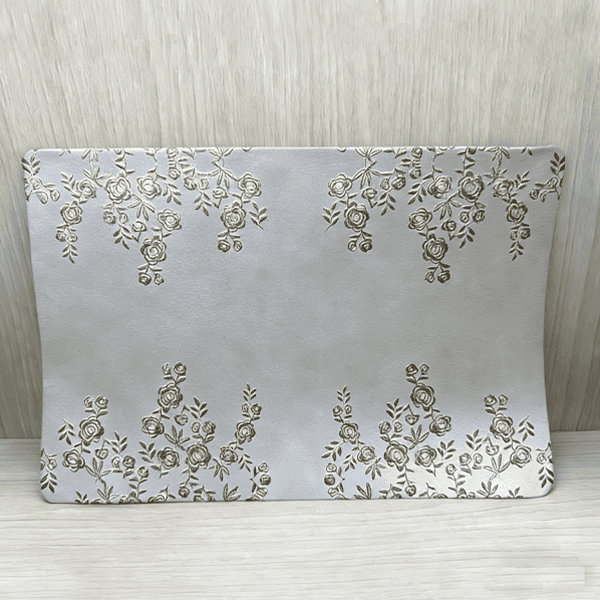
Figure 1: Standard Durable Hot-Stamped Printing Book Cover (No Peeling or Edge Lifting)
2. Classification of Hot Stamping Processes for Book Covers
Different hot stamping processes for printing book covers have unique pressure requirements, as pressure directly influences hot stamping durability across varying substrates and design needs:
- Flat Hot Foil Stamping: The most common process for conventional paper book covers (paperbacks, textbooks). Requires moderate, uniform pressure to ensure consistent durability without damaging paper substrates.
- Embossing Hot Stamping: Combines 3D embossing with foil stamping, used for high-end hardcovers, Bibles, and luxury journals. Requires precise pressure control to maintain embossed texture while ensuring foil adhesion durability.
- PU/Leather Cover Hot Stamping: Designed for premium printing book products (luxury notebooks, religious books). Pressure must be gentle but sufficient to avoid leather/PU damage while achieving long-lasting foil bonding.
- Specialty Foil Stamping: Includes holographic, matte, and colored foils for custom printing book covers. Each foil type requires tailored pressure to maximize durability, as thin or delicate foils may tear under excessive pressure or peel under low pressure.
3. Pressure Parameters & Low Pressure Impacts (Data Sources)
All pressure parameters and impact analyses below are sourced from the International Printing Press Association (IPMA) 2026 Guidelines and Global Hot Stamping Quality Standards, fully compliant with global printing book production requirements.
| Pressure Level | Impact on Hot Stamping Durability | Recommended Pressure Range |
|---|---|---|
| Low Pressure (Below Standard) | Weak bonding, easy peeling, uneven transfer, reduced wear resistance | Paper: <0.3 MPa | PU/Leather: <0.2 MPa |
| Optimal Pressure | Strong bonding, no peeling, uniform coverage, long service life | Paper: 0.3–0.5 MPa | PU/Leather: 0.2–0.4 MPa | Embossing: 0.4–0.6 MPa |
| Excessive Pressure | Substrate damage, foil smudging, brittle bonding | Paper: >0.6 MPa | PU/Leather: >0.5 MPa |
Key Note: For printing book hot stamping, pressure uniformity is as critical as pressure level—even minor pressure inconsistencies (±0.05 MPa) can cause uneven durability across batches.
4. Application Scenarios of Pressure-Controlled Hot Stamping
Precise pressure control to avoid low-pressure defects applies to all printing book categories and extended printed products:
- Textbooks & Educational Printing Books: High circulation requires ultra-durable hot stamping to resist frequent handling.
- Hardcover Books & Bibles: Premium products demand long-lasting aesthetics with no peeling or edge lifting.
- Luxury Journals & Custom Notebooks: High-value printing book products rely on flawless, durable hot stamping.
- Corporate Branded Books: Consistent pressure ensures uniform durability for brand logos across batches.
5. Steps to Optimize Pressure for Enhanced Hot Stamping Durability
Follow these actionable steps to avoid low-pressure defects for your printing book covers:
- Confirm Substrate & Foil Type: Match pressure baseline to cover materials and foil type to avoid low-pressure bonding.
- Calibrate Stamping Equipment: Use precision pressure-controlled machines and test pressure uniformity.
- Conduct Pre-Production Tests: Run small-batch samples to fine-tune pressure and test durability.
- Coordinate Pressure with Heat & Dwell Time: Balance pressure, temperature, and dwell time for optimal durability.
- Inspect Durability Post-Stamping: Verify adhesion via tape peel tests before mass production.
Figure 2: Pressure-Controlled Hot Stamping Production for Printing Book Covers
6. FAQ: Low Pressure & Hot Stamping Durability for Book Covers
Q1: What effect does low pressure have on hot stamping durability for book covers?
A1: Low pressure causes insufficient contact between foil adhesive and the cover substrate, leading to weak bonding, easy peeling, edge lifting, uneven foil transfer, and reduced wear resistance—shortening the hot stamping’s service life. (Source: IPMA 2026 Hot Stamping Defect Report)
Q2: What is the optimal pressure for paper book cover hot stamping?
A2: For paper printing book covers, the optimal pressure range is 0.3–0.5 MPa. This ensures strong durability without damaging the paper substrate. (Source: Global Hot Stamping Quality Standards)
Q3: Can low pressure-related hot stamping defects be repaired after production?
A3: No, low pressure causes irreversible weak bonding. The only solution is to re-stamp the affected book covers with optimal pressure to ensure durability. (Source: SBL Machinery Hot Stamping Troubleshooting Guide)
Q4: Does low pressure affect hot stamping durability for PU leather book covers differently than paper?
A4: Yes—PU/leather requires lower optimal pressure (0.2–0.4 MPa), so low pressure here leads to more severe peeling; excessive pressure damages the leather, while low pressure fails to activate adhesive bonding. (Source: Hot Stamping Foil Supplier Technical Manual)
Q5: How to detect low pressure before mass printing book production?
A5: Conduct pre-production sample tests: use a pressure gauge to verify machine pressure, then perform tape peel tests to check foil adhesion—if foil peels easily, pressure is too low. (Source: International Printing Technology Standard)
7. Summary & Contact for Custom Solutions
Low pressure is a critical factor affecting hot stamping durability for printing book covers, causing peeling, edge lifting, and increased costs. By following industry standards and optimization steps, you can eliminate these defects.
Official Website: www.artisan-bible.com
WhatsApp: +86-18320765095
Email: morrie.x.wang@gmail.com
We provide technical guidance, sample testing, and high-quality printing book production to meet your durability requirements.
8. Shenzhen Artisan Global Co., Ltd.
Shenzhen Artisan Global Co., Ltd.
Established in 2018 and headquartered in Shenzhen, China. We specialize in the production and global export of a wide range of books and printed products. Our core offerings include Bibles, notebooks, journals, textbooks, and exquisitely handcrafted book covers made from high-quality PU leather. Operating our own printing facility and backed by a robust supply chain, we maintain full control over quality and production efficiency. Our dedicated team is committed to delivering comprehensive, customer-centric solutions and premium products tailored to the diverse needs of our global clients. We integrate environmental stewardship into our operations by actively adopting renewable materials, eco-friendly inks, and sustainable sourcing practices, continuously striving to reduce our ecological footprint. Our production processes and products comply with recognized international standards and have obtained relevant management system certifications, ensuring both high quality and environmental responsibility. (with complete export qualifications). Global customers are welcome to consult and visit the factory!
What are the differences between hot melt glue and PUR glue for book binding
How does temperature influence the adhesion of foil during book cover stamping
Related Article
