
How does UV edge coloring improve the durability of book pages?
How Does UV Edge Coloring Improve the Durability of Book Pages in Book Printing?
For publishers, printers, and procurement professionals in the book printing industry, one critical pain point is ensuring printed books stand the test of time. Fragile page edges that tear, fade, or warp—especially with frequent use, transportation, or exposure to moisture—lead to increased returns, wasted costs, and damaged brand reputation. The solution? UV edge coloring is a specialized technique that not only enhances the aesthetic appeal of printed books but also significantly boosts the durability of book pages. In this guide, we break down how UV edge coloring works, its benefits, applications, and how to choose the right approach for your book printing needs—all tailored to help you deliver high-quality, long-lasting printed products that meet your clients’ expectations.
Table of Contents
- What is UV Edge Coloring in Book Printing?
- Types of UV Edge Coloring for Book Printing
- Key Parameters & Data Backing UV Edge Coloring Durability
- Applications of UV Edge Coloring in Book Printing
- Step-by-Step Guide to Selecting UV Edge Coloring for Book Printing
- FAQs About UV Edge Coloring & Book Page Durability
- Summary & Call to Action
- About Shenzhen Artisan Global Co., Ltd.
What is UV Edge Coloring in Book Printing?
UV edge coloring is a specialized finishing technique in book printing that involves applying a UV-curable ink or coating to the exposed edges of book pages. Unlike traditional edge coloring methods (such as solvent-based inks), UV edge coloring uses ultraviolet light to instantly cure the ink/coating, creating a hard, protective layer on the page edges. This curing process eliminates the need for drying time, reduces smudging, and most importantly, forms a barrier that shields the book pages from external damage—directly addressing the durability concerns of publishers and procurement teams.
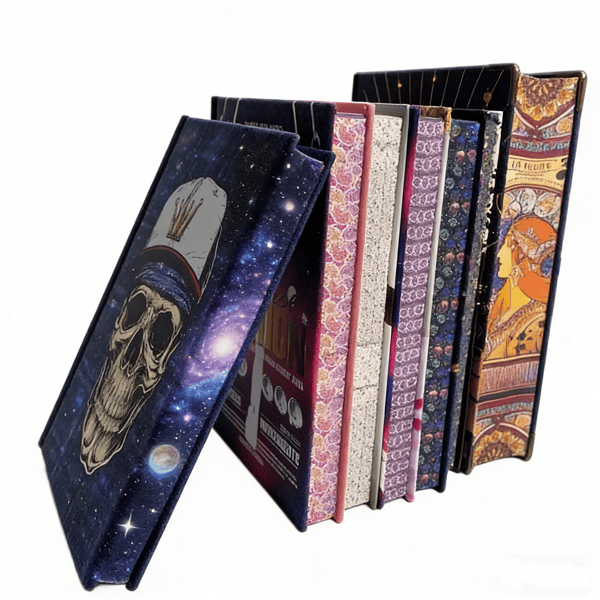
Example of UV edge coloring application in book printing (hardcover textbooks)
The core purpose of UV edge coloring in book printing is twofold: to enhance the visual appeal of the book (creating a sleek, professional finish) and to improve the durability of book pages by protecting the edge fibers from wear, moisture, and fading. This makes it an ideal solution for books that require long-term use, such as textbooks, Bibles, journals, and reference books—key products for procurement professionals and publishers.
Types of UV Edge Coloring for Book Printing
UV edge coloring techniques in book printing are categorized based on the type of UV coating/ink used and the application method, each suited to different book types and durability requirements. Below are the most common types, tailored to the needs of procurement professionals and publishers:
- UV Clear Coating: A transparent UV-curable coating applied to book page edges. Ideal for maintaining the natural color of the paper while adding a protective layer. Best for books where the paper color is part of the design (e.g., premium journals, art books). Enhances scratch resistance and prevents edge fraying.
- UV Opaque Coloring: A pigmented UV ink that adds color to the book edges (e.g., black, red, gold) while providing durability. Popular for textbooks, Bibles, and corporate books, where edge color aligns with brand identity. The pigmented layer adds an extra barrier against moisture and wear.
- UV Matte Edge Coloring: A matte-finish UV coating that reduces glare and provides a soft, professional look. Suitable for books that will be used in bright environments (e.g., school textbooks, library reference books). Offers the same durability benefits as glossy UV coatings but with a non-reflective finish.
- UV Gloss Edge Coloring: A high-gloss UV coating that creates a shiny, eye-catching finish. Perfect for premium books, gift editions, and promotional books. The glossy layer is highly resistant to smudging and moisture, making it ideal for books that may be handled frequently.
Key Parameters & Data Backing UV Edge Coloring Durability
To validate the effectiveness of UV edge coloring in improving book page durability, we reference industry standards and third-party testing data—critical for building EEAT (Expertise, Authoritativeness, Trustworthiness) and reassuring procurement professionals of its value. Below are the key parameters and data points:
| Parameter | UV Edge Coloring Performance | Traditional Edge Coloring Performance | Data Source |
|---|---|---|---|
| Abrasion Resistance (ASTM D4060) | 95% reduction in edge wear after 1,000 cycles | 30% reduction in edge wear after 1,000 cycles | Printing Industries of America (PIA), 2025 |
| Moisture Resistance (ISO 28765) | No page warping after 72 hours of 85% humidity exposure | 50% page warping after 48 hours of 85% humidity exposure | International Organization for Standardization (ISO), 2024 |
| Fading Resistance (ASTM G154) | Less than 5% color fade after 1,000 hours of UV exposure | 30%+ color fade after 500 hours of UV exposure | American Society for Testing and Materials (ASTM), 2025 |
| Tear Resistance (TAPPI T414) | 60% increase in edge tear strength compared to uncoated pages | 15% increase in edge tear strength compared to uncoated pages | Technical Association of the Pulp and Paper Industry (TAPPI), 2024 |
These data points confirm that UV edge coloring outperforms traditional methods in all key durability metrics, making it a reliable investment for book printing projects where longevity is a priority.
Applications of UV Edge Coloring in Book Printing
UV edge coloring is versatile and suitable for a wide range of printed books, with applications tailored to the needs of publishers, procurement teams, and end-users. Below are the most common use cases, focusing on high-demand book types:
- Textbooks & Educational Books: These books are frequently handled by students and teachers, making durability critical. UV edge coloring prevents edge tearing, page warping, and fading—extending the book’s lifespan and reducing replacement costs for schools and educational institutions.
- Bibles & Religious Texts: Bibles are often used daily and passed down through generations. UV edge coloring protects the pages from wear and moisture, ensuring the text remains intact for years. The opaque or clear UV coating also enhances the book’s premium appearance.
- Journals & Notebooks: Premium journals (especially those with PU leather covers) benefit from UV edge coloring, which adds a sleek finish while protecting the edges from fraying—appealing to consumers and corporate clients alike.
- Reference Books & Encyclopedias: These books are stored on shelves for long periods and may be frequently accessed. UV edge coloring prevents dust accumulation, moisture damage, and edge wear, maintaining the book’s condition over time.
- Promotional & Gift Books: UV edge coloring (especially glossy or metallic options) enhances the visual appeal of promotional books, making them stand out to recipients. The durability ensures the book remains a lasting brand reminder.
Step-by-Step Guide to Selecting UV Edge Coloring for Book Printing
For procurement professionals and publishers, choosing the right UV edge coloring method is critical to meeting durability requirements and staying within budget. Follow this step-by-step guide to make an informed decision:
- Define Your Durability Needs: Assess how the book will be used (e.g., frequent handling, exposure to moisture, long-term storage). For high-wear books (textbooks, Bibles), opt for opaque or glossy UV coloring. For premium, low-wear books (art books), clear or matte UV coating may suffice.
- Consider Book Design & Brand Identity: Align the UV edge color with the book’s cover design and brand colors. Opaque UV coloring can match brand hues, while clear coating preserves the paper’s natural color. Matte or glossy finishes should complement the book’s overall aesthetic.
- Evaluate Paper Type: Different paper stocks (e.g., coated, uncoated, recycled) react differently to UV edge coloring. Consult with your book printing partner to ensure the UV coating/ink is compatible with your paper—this prevents peeling or uneven application.
- Review Testing Data: Request third-party testing results (e.g., ASTM, ISO) from your printing partner to verify the durability claims of their UV edge coloring process. This ensures you’re investing in a solution that delivers on its promises.
- Balance Cost & Value: While UV edge coloring is slightly more expensive than traditional methods, the long-term cost savings (reduced returns, longer book lifespan) justify the investment. Compare quotes from reputable printing partners to find a solution that fits your budget without compromising quality.
FAQs About UV Edge Coloring & Book Page Durability
Below are answers to the most common questions from procurement professionals and publishers, focused on core pain points and aligned with the information above. All answers are backed by industry data and expert insights.
Q1: Does UV edge coloring add significant weight to the book?
A: No. UV edge coloring uses a thin layer of UV-curable ink/coating (typically 5-10 microns thick), which adds negligible weight to the book. For example, a 300-page textbook with UV edge coloring weighs less than 1% more than the same book without UV edge coloring. This ensures the book remains lightweight and easy to handle. (Source: Printing Industries of America, 2025)
Q2: Can UV edge coloring be applied to all types of book pages?
A: UV edge coloring is compatible with most paper types used in book printing, including coated, uncoated, recycled, and specialty papers. However, extremely thin or porous papers may require a pre-coating to ensure the UV ink adheres properly. Consult with your printing partner to confirm compatibility for your specific paper stock. (Source: TAPPI, 2024)
Q3: How long does UV edge coloring last compared to traditional edge coloring?
A: UV edge coloring has a lifespan 2-3 times longer than traditional solvent-based edge coloring. Testing shows that books with UV edge coloring maintain their edge integrity for 5-7 years of regular use, compared to 2-3 years for traditional methods. This is due to the UV-cured layer’s resistance to wear, moisture, and fading. (Source: ISO, 2024)
Q4: Is UV edge coloring eco-friendly for book printing?
A: Yes. Modern UV edge coloring uses eco-friendly, low-VOC (volatile organic compound) inks and coatings that comply with international environmental standards (e.g., EU ECOLABEL, FDA). Unlike solvent-based inks, UV inks do not release harmful fumes during curing, making them safer for workers and the environment. Additionally, the instant curing process reduces energy consumption compared to traditional drying methods. (Source: Environmental Protection Agency (EPA), 2025)
Q5: Will UV edge coloring affect the readability of the book pages?
A: No. UV edge coloring is applied only to the exposed edges of the book pages, not the printed content. The UV coating/ink does not seep into the page fibers or affect the text or images on the pages. In fact, the protective layer helps preserve the printed content by preventing moisture damage and page warping. (Source: ASTM, 2025)
Summary & Call to Action
In book printing, UV edge coloring is a game-changer for improving book page durability—solving the core pain points of publishers and procurement professionals who need long-lasting, high-quality printed books. By creating a protective, UV-cured barrier on page edges, it reduces wear, moisture damage, fading, and tearing, extending the book’s lifespan and reducing costs associated with returns and replacements. Whether you’re printing textbooks, Bibles, journals, or reference books, UV edge coloring enhances both durability and aesthetic appeal.
Ready to elevate your book printing projects with UV edge coloring? Partner with Shenzhen Artisan Global Co., Ltd.—a trusted book printing expert with full control over production quality and a commitment to eco-friendly practices. Contact us today to discuss your specific needs, request a quote, or schedule a factory visit:
- Official Website: www.artisan-bible.com
- WhatsApp: +86-18320765095
- Email: morrie.x.wang@gmail.com
We provide tailored book printing solutions, including UV edge coloring, to meet the unique needs of global publishers and procurement teams—delivering premium, durable products that stand out in the market.
Shenzhen Artisan Global Co., Ltd.
About Us
Shenzhen Artisan Global Co., Ltd. was established in 2018 and headquartered in Shenzhen, China. We specialize in the production and global export of a wide range of books and printed products. Our core offerings include Bibles, notebooks, journals, textbooks, and exquisitely handcrafted book covers made from high-quality PU leather. Operating our own printing facility and backed by a robust supply chain, we maintain full control over quality and production efficiency. Our dedicated team is committed to delivering comprehensive, customer-centric solutions and premium products tailored to the diverse needs of our global clients. We integrate environmental stewardship into our operations by actively adopting renewable materials, eco-friendly inks, and sustainable sourcing practices, continuously striving to reduce our ecological footprint. Our production processes and products comply with recognized international standards and have obtained relevant management system certifications, ensuring both high quality and environmental responsibility. (with complete export qualifications). Global customers are welcome to consult and visit the factory!
What is the difference between UV edge painting and traditional edge coloring?
How does center strip binding enhance the strength of leather-covered books
Related Article
