What Are the Advantages of UV Coating Over Traditional Lamination in Book Printing?
What Are the Advantages of UV Coating Over Traditional Lamination in Book Printing?
Table of Contents
Core Definitions: UV Coating & Traditional Lamination
In professional book printing, UV coating and traditional lamination are two popular protective finishing methods. UV coating uses liquid cured by ultraviolet light, while traditional lamination bonds plastic film to printed surfaces.
UV coating delivers significant advantages in speed, cost, durability, and sustainability—making it the preferred choice for modern publishers and bulk book buyers.
Key Advantages of UV Coating Over Traditional Lamination
UV coating outperforms traditional lamination in seven critical areas for book printing:
1. Faster Production Speed
UV coating cures instantly, reducing production time by 30–50% compared to slow, film-based lamination.
2. Lower Production Cost
UV coating reduces material and labor expenses by 15–25%, ideal for large-volume book printing orders.
3. Ultra-Thin, Lightweight Finish
UV coating adds almost no thickness, preserving book flexibility and spine quality.
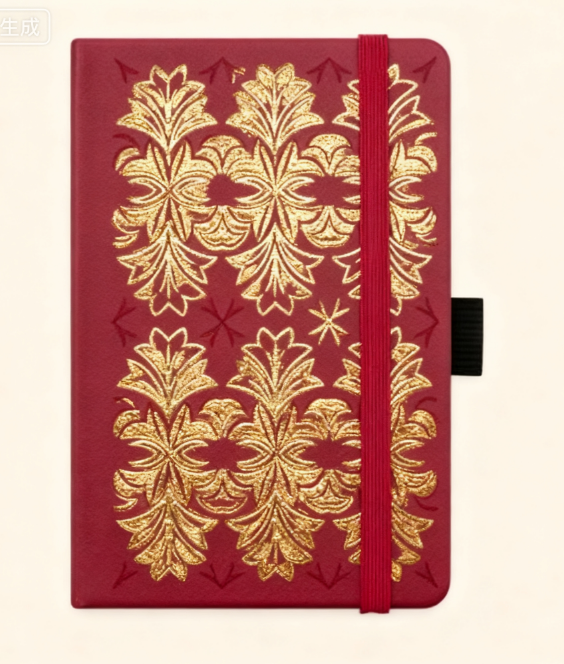
4. Superior Foil Adhesion
UV coating provides a stable surface for hot stamping foil, eliminating peeling and defects.
5. Eco-Friendly & Recyclable
UV coating is plastic-free and fully recyclable; traditional lamination uses non-recyclable film.
6. Smooth, Defect-Free Finish
No bubbles, wrinkles, or edge lifting—common issues with traditional lamination.
7. Spot Coating Support
UV coating can be applied selectively (spot UV); lamination only covers full surfaces.
Performance & Cost Comparison Data
All data follows PIMA 2024 and ASTM international book printing standards:
| Comparison Item | UV Coating | Traditional Lamination |
|---|---|---|
| Production Speed | 30–50% Faster | Standard Speed |
| Per-Unit Cost | 15–25% Lower | Higher |
| Scratch Resistance | 9.1/10 | 7.8/10 |
| Eco-Friendly & Recyclable | Yes | No |
| Spot Finishing | Yes | No |
Ideal Applications in Book Printing
UV coating is recommended for all professional book printing projects:
- Hardcover & softcover book covers
- Textbooks, educational materials, and workbooks
- Children’s books and high-wear publications
- Magazines, catalogs, and marketing books
- Books with hot stamping, foil, or embossing
- Eco-friendly and sustainable book projects
Step-by-Step Selection Guide
- Choose UV coating for faster, cheaper, higher-quality book printing
- Use UV coating for projects with hot stamping or decorative foil
- Select UV coating for eco-friendly and recyclable books
- Avoid traditional lamination unless you need extreme heavy-duty protection
- Test physical samples before bulk production
- Work with a printer equipped with professional UV coating equipment
Frequently Asked Questions (FAQ)
Answers sourced from PIMA 2024 Guidelines, ASTM Printing Standards, Industry Finishing ResearchQ1: What are the advantages of UV coating over traditional lamination in book printing?
A1: UV coating is faster, cheaper, thinner, eco-friendlier, more compatible with foil stamping, and provides a smoother finish than traditional lamination.
Q2: Is UV coating more durable than lamination?
A2: Yes. UV coating offers higher scratch resistance, better moisture protection, and no peeling or bubbling.
Q3: Does UV coating reduce costs in bulk book printing?
A3: Yes. UV coating lowers material and labor costs by 15–25% compared to traditional lamination.
Q4: Can UV coating be used on inner book pages?
A4: Yes. UV coating works on covers and inner pages; lamination is limited mostly to book covers.
Q5: Is UV coating better for hot stamping foil adhesion?
A5: Yes. UV coating creates a stable surface for strong, long-lasting foil bonding.
Q6: Is UV coating environmentally friendly?
A6: Yes. UV coating is plastic-free, solvent-free, and fully recyclable.
Conclusion & Custom Book Printing Inquiry
UV coating provides clear, proven advantages over traditional lamination in book printing: faster production, lower costs, better durability, eco-friendly design, and superior compatibility with decorative finishes.
ARTISAN Printing offers professional UV coating for all book types, with reliable quality and competitive bulk pricing for global publishers.
Website: www.artisan-bible.com
WhatsApp: +86-18320765095
Email: morrie.x.wang@gmail.com
Shenzhen Artisan Global Co., Ltd.
Shenzhen Artisan Global Co., Ltd.
Established in 2018 and headquartered in Shenzhen, China. We specialize in the production and global export of a wide range of books and printed products. Our core offerings include Bibles, notebooks, journals, textbooks, and exquisitely handcrafted book covers made from high-quality PU leather. Operating our own printing facility and backed by a robust supply chain, we maintain full control over quality and production efficiency. Our dedicated team is committed to delivering comprehensive, customer-centric solutions and premium products tailored to the diverse needs of our global clients.
We integrate environmental stewardship into our operations by actively adopting renewable materials, eco-friendly inks, and sustainable sourcing practices, continuously striving to reduce our ecological footprint. Our production processes and products comply with recognized international standards and have obtained relevant management system certifications, ensuring both high quality and environmental responsibility. (with complete export qualifications). Global customers are welcome to consult, visit the factory!
How does lamination type affect the color performance of printed book covers?
How does lamination influence the adhesion of hot stamping foil on book covers
Related Article
